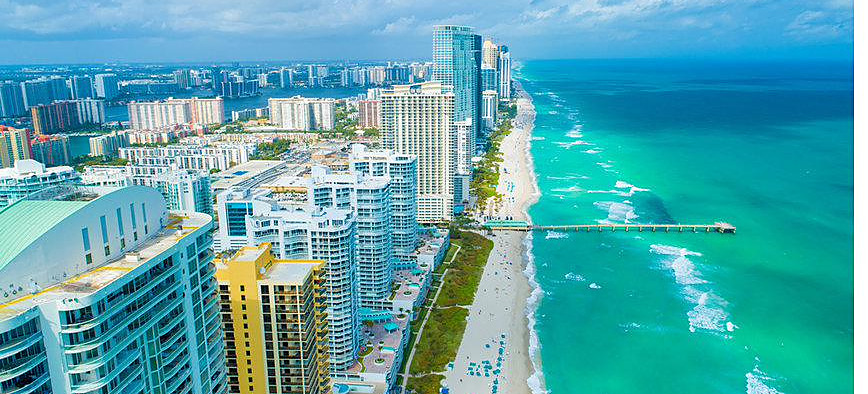
As 2025 comes to a close, Florida's condominium market remains under real pressure, even as new legislation offers some breathing room. Here is where market conditions and the regulatory picture stand.
Market trends and challenges
- Softening market dynamics. Florida's condominium sector continues to weaken. Sales and prices remain significantly below their recent peaks, with inventory swelling to over 10 months' supply, clearly favoring buyers. In South Florida, prices in lower-tier condos (under $500K) have dropped 6 to 7% year over year, and average monthly unit sales in major areas (Miami-Dade, Broward, Palm Beach) are roughly half of their 2021 levels.
- Affordability under pressure. Rising HOA fees, costly insurance premiums, and mandatory special assessments, especially in older or low-priced units in the $250K to $300K range, have put condo ownership out of reach for many buyers, particularly retirees and fixed-income residents.
- Inland versus coastal disparity. Inland Florida condos are faring somewhat better. Lower insurance costs and fewer structural inspection burdens have helped maintain affordability and value, even as inventory grows, up 37.5% year over year inland compared to 27% on the Florida East Coast and 19% on the Gulf coast.
- Broader housing slowdown. The Florida housing market slowdown, driven by overdevelopment, high insurance premiums, rising HOA fees, and property taxes, is prompting migration away from Florida and signaling cracks in the post-pandemic boom.
Regulatory updates and relief measures
HB 913 (effective July 1, 2025) introduced sweeping reforms to increase transparency, operational flexibility, and safety standards in condo and HOA governance:
- Recordkeeping and transparency. Associations must promptly post bank statements, ledgers, video-recorded meeting minutes, and other key documents online.
- Meeting and voting adjustments. Virtual meetings are permitted, though virtual attendees do not count toward quorum, and petitions from 25% of members can enable electronic voting. Meetings must be recorded and held within 15 miles or within the same county, with the DBPR to adopt rules.
- Financial controls. If a proposed budget exceeds 115% of the prior year's assessments, a stripped-down substitute budget must be offered, now including betterment costs but exempting only SIRS-related expenses.
- Insurance requirements. Mandatory property insurance based on full insurable value, updated at least every three years, and umbrella policies must account for losses from 250-year windstorm events.
- Reserves and inspections. The reserve item threshold rose to $25,000 (adjusted for inflation), multicondominium associations may use pooled reserves, and associations can pause funding in certain situations, such as a building deemed uninhabitable or following a milestone inspection pending a new reserve study, with SIRS enforcement delayed to December 31, 2025.
- Milestone inspections. These apply to buildings with three or more stories, with new enforcement deadlines, local reporting to the DBPR by October 1, 2025, and required repair commencement within 365 days after a phase-two inspection. The Office of Program Policy Analysis and Government Accountability (OPPAGA) reports outcomes to the Florida Legislature.
SB 328 (signed June 20, 2025) offers temporary financial relief for associations impacted by prior mandates:
- Reserve funding delayed. Mandatory reserve funding enforcement is postponed until January 1, 2026, giving associations room to plan.
- Assessment relief. The delay mitigates the need for immediate and steep special assessments.
- Time for owner communication. Boards can use the extended period to better inform members and plan budgets strategically.
Industry perspectives on reforms. The 2025 reforms are designed to retain safety mandates while easing financial stress, allowing reserve pauses, loans and credit lines, contract terminations for noncompliant managers, and extended study deadlines.
Summary
| Category | Key highlights |
|---|
| Market conditions | Condo sales and prices declining, inventory high, rising HOA and insurance costs hitting aging buildings hardest. Inland areas fare slightly better. |
| Regulatory response | HB 913 enhances transparency and flexibility (recordkeeping, budget caps, inspections, insurance). SB 328 delays reserve mandates to ease immediate financial pressure. |
| Overall outlook | Safety reforms remain intact, but new legislation offers breathing room. The condo market remains weak; reforms aim to stabilize long-term affordability and governance. |
The condo market remains soft, but the 2025 reforms give boards room to plan. Associations that use the extra time to fund reserves and communicate clearly with owners will be best positioned as the rules tighten again. Aurora helps boards do exactly that.
Wondering what these trends mean for your community specifically? We watch them so your board does not have to.
Ask Aurora →This article is general information for Florida community associations. It is not legal or financial advice; market conditions and statutes change. Consult your association’s licensed professionals about your specific situation before acting.