A year ago, Florida’s sweeping condominium reform, House Bill 913, effective July 1, 2025, changed the rules on reserves, inspections, and transparency for every association with a building three or more stories tall. The headlines have faded, but the hardest part is arriving now: the funding decisions that HB 913 hands to your board land squarely in the budget you’ll adopt this fall.
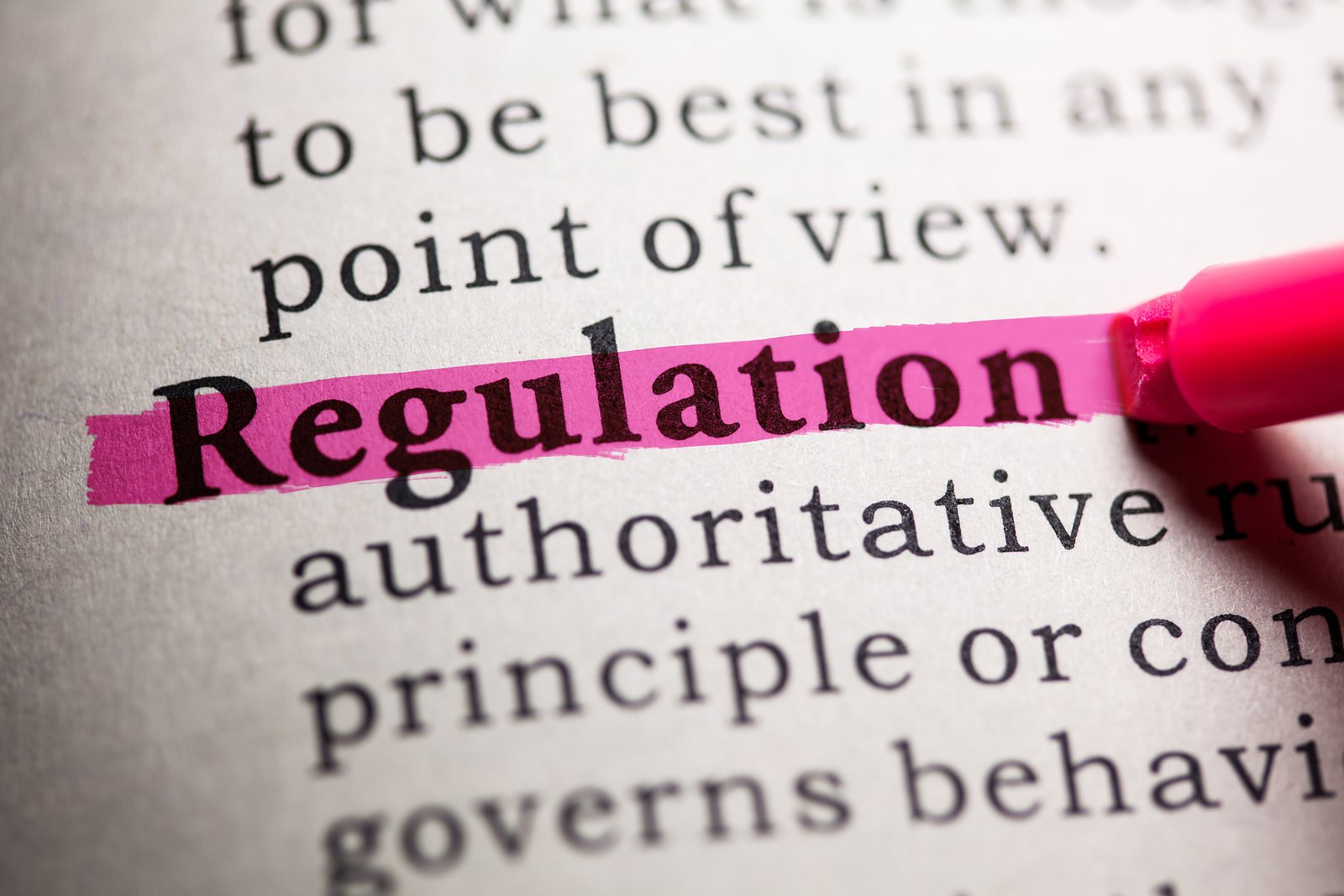
The law kept the core safety framework of milestone inspections and a Structural Integrity Reserve Study (SIRS) for buildings of three or more habitable stories, but added real flexibility in how associations pay for it. It raised the reserve threshold for SIRS-covered components from $10,000 to $25,000, a figure that began its annual inflation adjustment on February 1, 2026, letting boards focus reserves on the components that genuinely drive structural risk. It expanded funding options to include special assessments, loans, and lines of credit with owner approval, and it lets associations hold reserves in interest-bearing accounts and insured certificates of deposit. Most significantly, it allows a board that has completed its milestone inspection to pause or reduce reserve contributions for up to two consecutive budget years (through December 31, 2028) to prioritize critical repairs: a pressure valve for communities facing large near-term capital needs.
HB 913 also reset expectations for how associations communicate. Buildings with 25 or more units must post the past 12 months of meeting minutes and recordings online and keep them current within 30 days. Year-end financial statements now have a 180-day runway (up from 120), prospective buyers get seven days (up from three) to review an association’s financials, and virtual meetings and electronic voting are formally on the table when owners ask for them. On the accountability side, the law tightened conflict-of-interest and competitive-bidding rules for repair contracts and gave boards a clearer path to replace a management company whose license is suspended or revoked, or that violates the new disclosure rules.
The associations that will navigate this well aren’t necessarily the ones with the deepest reserves; they’re the ones that turn a SIRS into a clear, owner-ready funding plan and keep the board a step ahead of every deadline. That’s the work Aurora does every day: translating structural studies into budgets boards can defend, keeping records and reporting audit-ready, and giving owners the transparency the new law expects. As a future-focused partner for Florida’s associations, we help boards trade compliance anxiety for a plan.
Facing the reserve and SIRS decisions this budget season? We’ll help you turn the study into a plan your owners can support.
Talk through your board’s plan →This article is general information for Florida community associations and reflects HB 913 as understood at the time of writing. It is not legal advice and is not a substitute for guidance from your association’s licensed Florida attorney. Statutes and deadlines change. Confirm specifics with counsel before acting.